Professionalism#
For me, professionalism means designing learning that is thoughtful, ethical, and grounded in how children actually learn. It involves careful planning, attention to curriculum, and a responsibility to create learning environments that are both intellectually rich and emotionally safe. My experiences in practicum show how I approach teaching as a professional practice that balances structure with creativity and care. The artefacts in this section highlight how I translate Ontario curriculum expectations into meaningful, engaging learning for young students.
Artefact 1: Professional Development Meeting on Literacy Interventions and UFLI#
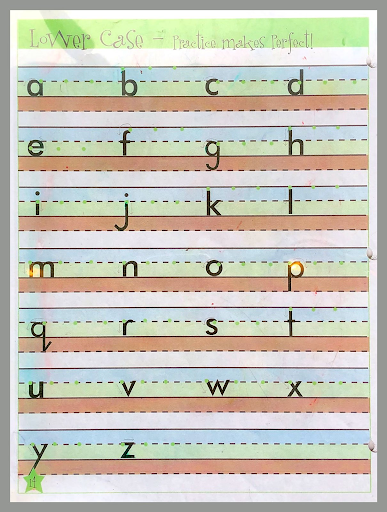
This artefact represents my participation in a professional development meeting during my Fall practicum that focused on literacy intervention and student identification practices within the Toronto Catholic District School Board. The session centered on how schools use data to determine which students require additional literacy support, with a particular focus on UFLI as a structured phonics based intervention program. The meeting took place during a scheduled PD block at my placement school and brought together classroom teachers, special education staff, and literacy leads. How it happened was through a collaborative staff meeting in which teachers reviewed student literacy data, discussed intervention criteria, and examined how UFLI was being implemented across grade levels. The players involved included classroom teachers, learning resource teachers, and school administrators who were responsible for coordinating intervention support. The most significant part of this experience was seeing how literacy decisions are made at a school wide level and how early intervention systems directly shape which students receive additional support and resources. I was also able to start sourcing my own interventions for my future classroom.
Artefact 2: Parent Teacher Interviews and Conference Preparation Template#
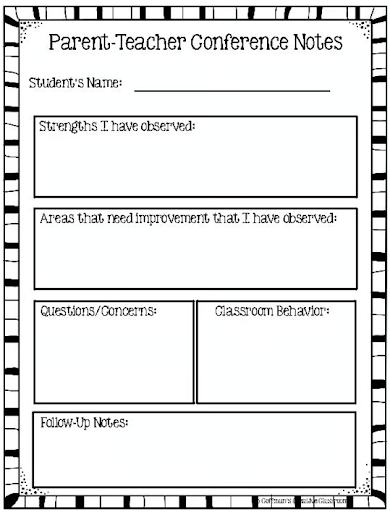
This artefact represents my participation in parent teacher interviews during my practicum and the conference preparation template shared with me to support those meetings. The template would be accompanied by students’ report cards (marks and comments), and samples of their work. My AT used this tool to organize information and prepare for meaningful, focused conversations about student progress. The interviews took place during scheduled interview evenings at my placement school, where families met with teachers to discuss their child’s learning. The players involved were the students’ parents or caregivers, my Associate Teacher, and myself. The most significant part of this experience was seeing how careful preparation helped make conversations more productive, respectful, and student centered.